Asim Munir’s multi-front gamble backfires as PoK unrest spreads globally
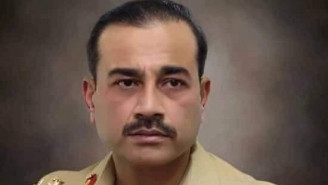
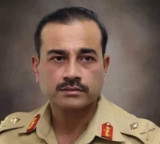
New Delhi, June 8 : For Field Marshal Asim Munir, it is becoming a classic case of trying to bite off more than he can chew. Seeking to divert attention from the major setback and embarrassment inflicted by the Indian armed forces during Operation Sindoor, Munir appears to have opened multiple fronts simultaneously, widening the scope of his challenges.
He simultaneously took on the Afghan Taliban, the Tehreek-e-Taliban Pakistan (TTP), and the Balochistan Liberation Army (BLA), opening multiple fronts at once. As a result, a significant portion of Pakistan’s security apparatus is now engaged in one conflict or another.
This has eventually led to significant security lapses in Pakistan-occupied Kashmir (PoK). The region, which is illegally occupied by Pakistan, is now showing signs of developing into a larger international concern. Protests have already erupted across parts of PoK, and a recent clash in Rawalakot reportedly resulted in the deaths of five Pakistani security personnel.
An Intelligence Bureau official said that these developments that have taken place in the last 24 hours have led to major crackdowns and blocking of internet and mobile services. The official said while fighting a battle on multiple fronts, Pakistan realised that all its resources from PoK have been utilised in regions such as Khyber Pakhtunkhwa (KP) and Balochistan.
“They are clearly falling short of manpower, and this is the reason why the tight grip they had in PoK has collapsed," the official explained.
Another official said that Pakistan’s challenge now extends far beyond the unrest in PoK. The alleged human rights violations, developmental neglect, and lack of democratic freedoms in the region are no longer being viewed merely as internal matters. According to the official, these issues have increasingly drawn international attention, placing Pakistan’s human rights record under greater scrutiny.
The official said that following the atrocities and protests in PoK, scores of protesters gathered outside the Pakistan High Commission in London. They condemned the crackdown on the Joint Awami Action Committee (JAAC) and said that a peaceful and non-violent political movement was being suppressed.
The official said that while this may appear to be a single protest, a detailed assessment indicates that it could trigger a broader chain reaction. Similar demonstrations being planned in different parts of the world are expected to remain peaceful.
“However, their larger impact, the official noted, would be to challenge and expose what protesters describe as the Pakistan establishment’s misleading narrative on human rights,” the official noted.
The protesters in the United Kingdom were heard openly speaking about the atrocities faced by their family members in PoK. They said that due to the mobile and internet shutdown, they are unable to contact their family members in PoK.
Officials say that the protests in PoK and other countries are unlikely to die down. The Pakistani security forces can put down the protests in PoK by using brute force. However, they will not be able to contain the voices that are getting louder in the rest of the world, the official added.
Observers say the situation in PoK is increasingly becoming a major challenge for Pakistan, drawing attention on several fronts. While residents and activists have been raising concerns about alleged human rights violations and the lack of development in the region, recent events have also placed Pakistan’s security apparatus under heightened scrutiny.
“Many personnel within Pakistan’s security forces have begun questioning their superiors over the need to commit atrocities against their own people,” the officials said.
This continued reliance on brute force has also eroded the effectiveness of intelligence agencies, as local communities have increasingly stopped cooperating with security forces and are reluctant to share inputs with them. The resulting information vacuum has led to multiple intelligence failures.
The ability of the TTP and the BLA to carry out precise and targeted attacks on Pakistani forces is a clear indication that the country’s intelligence network has virtually collapsed, the official added.
He simultaneously took on the Afghan Taliban, the Tehreek-e-Taliban Pakistan (TTP), and the Balochistan Liberation Army (BLA), opening multiple fronts at once. As a result, a significant portion of Pakistan’s security apparatus is now engaged in one conflict or another.
This has eventually led to significant security lapses in Pakistan-occupied Kashmir (PoK). The region, which is illegally occupied by Pakistan, is now showing signs of developing into a larger international concern. Protests have already erupted across parts of PoK, and a recent clash in Rawalakot reportedly resulted in the deaths of five Pakistani security personnel.
An Intelligence Bureau official said that these developments that have taken place in the last 24 hours have led to major crackdowns and blocking of internet and mobile services. The official said while fighting a battle on multiple fronts, Pakistan realised that all its resources from PoK have been utilised in regions such as Khyber Pakhtunkhwa (KP) and Balochistan.
“They are clearly falling short of manpower, and this is the reason why the tight grip they had in PoK has collapsed," the official explained.
Another official said that Pakistan’s challenge now extends far beyond the unrest in PoK. The alleged human rights violations, developmental neglect, and lack of democratic freedoms in the region are no longer being viewed merely as internal matters. According to the official, these issues have increasingly drawn international attention, placing Pakistan’s human rights record under greater scrutiny.
The official said that following the atrocities and protests in PoK, scores of protesters gathered outside the Pakistan High Commission in London. They condemned the crackdown on the Joint Awami Action Committee (JAAC) and said that a peaceful and non-violent political movement was being suppressed.
The official said that while this may appear to be a single protest, a detailed assessment indicates that it could trigger a broader chain reaction. Similar demonstrations being planned in different parts of the world are expected to remain peaceful.
“However, their larger impact, the official noted, would be to challenge and expose what protesters describe as the Pakistan establishment’s misleading narrative on human rights,” the official noted.
The protesters in the United Kingdom were heard openly speaking about the atrocities faced by their family members in PoK. They said that due to the mobile and internet shutdown, they are unable to contact their family members in PoK.
Officials say that the protests in PoK and other countries are unlikely to die down. The Pakistani security forces can put down the protests in PoK by using brute force. However, they will not be able to contain the voices that are getting louder in the rest of the world, the official added.
Observers say the situation in PoK is increasingly becoming a major challenge for Pakistan, drawing attention on several fronts. While residents and activists have been raising concerns about alleged human rights violations and the lack of development in the region, recent events have also placed Pakistan’s security apparatus under heightened scrutiny.
“Many personnel within Pakistan’s security forces have begun questioning their superiors over the need to commit atrocities against their own people,” the officials said.
This continued reliance on brute force has also eroded the effectiveness of intelligence agencies, as local communities have increasingly stopped cooperating with security forces and are reluctant to share inputs with them. The resulting information vacuum has led to multiple intelligence failures.
The ability of the TTP and the BLA to carry out precise and targeted attacks on Pakistani forces is a clear indication that the country’s intelligence network has virtually collapsed, the official added.